Showing posts with label healthy singing tips. Show all posts

Monday, July 30, 2012

Vocal Rest for Singers

As a singer, sometimes you just need to give your voice a break-- be quiet and go on vocal rest! A couple of weeks ago I had a really awful sinus infection.. my ears were clogged, my nose was stuffy and I had a really uncomfortable itch in my throat that made me sound hoarse when I spoke. I tried to sing a couple of times and it wasn't pretty. So how did it go away? Well, I cancelled all of my sessions that week and refrained from practicing any songs. I also limited my talking and went on vocal rest. Within 5 days of taking medication and literally not singing, I walked into my gig on Sunday and sang effortlessly and beautifully. It felt so amazing to have my real voice back!

According to the NYU Voice Center, vocal rest is a time of introspection and delegation. Vocal rest gives your voice time to heal, settle and relax. When your voice is fatigued or if you're trying to overcome an illness, the fastest way to let your voice heal is to refrain from using it. Believe it or not we use our voices for just about everything... when we cough, sneeze, clear our throats, hum and even whisper. During vocal rest, try to limit or even avoid doing all of these things to expedite your recovery. 

If you have a really busy performance schedule that requires you to sing almost on a nightly basis, try not to speak the entire day leading up to your call time. As it gets later in the day, closer to when you have to go on stage, gently start to warm up your voice (starting at the middle of your range, slowly working your way upwards and downwards) and take two shots of honey. Honey will lubricate your voice and will give your cords an awesome coating to help facilitate the production of sound with a lot more ease. If you're not at 100% during your gig, amp up your monitor mix or sing your song in a lower key. Always listen to your body when your voice is trying to tell you something. If it hurts, stop and take a couple of days off so that you can rest. 

Giving your voice the respect that it deserves is an amazing investment in your future as a vocal professional. If you can incorporate small bouts of vocal rest during your practice and performance schedules, then you will be able to accomplish the following things:
  • The avoidance of more severe vocal problems that may require longer periods of vocal rest, therapy and even surgery.
  • Stronger vocal muscles. Strength in muscles comes from stress AND recovery, and adequate recovery time is just as important as your training. 
  • A longer lasting vocal career!
I hope this helps and if you have any questions, please let me know. Also, I would like to know if you have any vocal rest tips of your own!?

Tuesday, June 21, 2011

The Solution to Sore Throats: Ricola

As a singer, having a cold or sore throat can be very uncomfortable and inconvenient. Regardless of whether or not I am sick, I still need to use my voice on a daily basis. Besides my Throat Coat tea recipe, another solution to sore throats is Ricola cough drops.


I recommend the Ricola Honey-Lemon with Echinacea flavor. The combination of honey, lemon and echinacea is the most gentle on the voice. Echinacea is a natural ingredient that helps fight colds and flus. The honey serves as a great lubricant for the vocal cords and the lemon helps stimulate the immune system.  

I woke up today with a sore throat and you better believe it that I'm going to the store to get my own bag! I've been using these cough drops for years and they never disappoint! Not to mention, they are really yummy, too!

Thursday, June 16, 2011

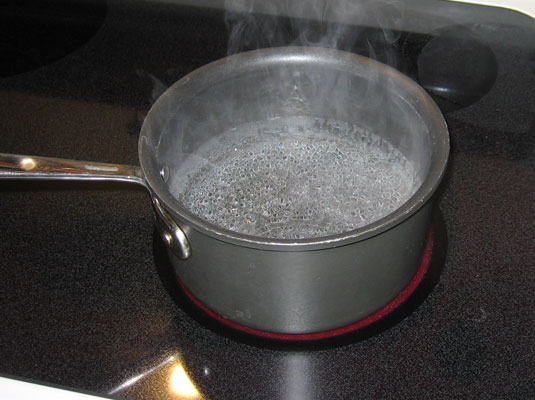
Home Remedies For Your Voice: Steaming

During this time of the year, a lot of us suffer from allergies and congestion. One home remedy that we can do for our voice is something called steaming. Just simply do the following:

1- Boil 2 cups of water.
2- Add 1 teaspoon of salt.
3- Breathe deeply into the steam.
4- Repeat 5-10 times. Clear your nose in between if you need to.

I learned this trick from my old voice teacher in college and it works! The steam will loosen up your congestion and the salt will serve as an antibacterial. Try this whenever you feel yucky. It'll clear up your passageways and allow you to breathe and sing a lot better!

Diva Tip: Be sure to pull your hair back and take off your mascara! One time my eyelashes almost melted and that's not fabulous! Hope this helps to keep you singing this summer!

Thursday, June 9, 2011

Vocal Warm-Ups On The Go: Lip Trills

There are several vocal warm-ups that we can do without a piano or when we are on the go. A lot of times we do not have access to a piano (or teacher!) before we need to sing. Or maybe some of us don't even know how to play the piano or don't even have a teacher to help us! Well, what we can actually do to help jumpstart our voice are Lip Trills.

The Lip Trill 3-Step:
1- Breathe in.
2- Blow lips.
3- Hum at any pitch until you hear a buzz.

Demonstration:


Hope this helps!

Tuesday, June 7, 2011

Keep Your Voice Hydrated This Summer

As we enter the summer months, it is important that we take the time to drink plenty of fluids and keep our voices hydrated. The hotter the weather, the more hydration is required. Just think about how much you sweat when you're outside under the hot sun, that's how much water you need to drink in order to replenish yourself--even more so if you are a singer!

When we are dehydrated, the mucous membranes in our vocal cords dry out as well. Without lubrication between our vocal cords, it becomes harder on the voice to produce sound. The wheels become creaky. As a result, our vocal cords become fatigued. This makes it harder for us to sing.

I recommend always keeping a refillable water bottle. You can fill it up while you're at home and take it with you on-the-go. I use SmartWater bottles because they are durable and can hold up to 4 cups of water. I suggest drinking at least 2-3 of these servings a day.

Trust me, your voice will thank you and singing will become more enjoyable. =)

Wednesday, February 16, 2011

Good and Bad Voice Days

Sometimes we have Good and sometimes we have Bad Voice Days. This simply means that on any given day, regardless of what you do, sometimes your voice sounds better than usual and sometimes it just refuses to cooperate. Some of these factors can contribute to your voice's behavior:


1- Time of the year- Weather changes, precipitation, and certain allergic reactions to mother nature affect our instrument. The dust and bacteria that we breathe in can sit in our vocal cords and affect the way we sound.


2- Lack of sleep- Our vocal cords need rest, too. When they are tired, sound becomes more difficult to produce.


3- What we eat- Certain foods cause acid reflux which burns and irritates our cords-- many times without us knowing. If we know we have to perform, stay away from dairy, red sauces and caffeine, to name a few.


4- Time of the month - PMS, Hormones.. yes that affects your singing, too! Estrogen increases mucus production in the vocal cords which might make singing higher notes more difficult and even cause intonation problems.


5- Fatigue - Using your voice a lot, talking loudly, screaming, and even singing for long periods of time can make your vocal cords tired. When they are fatigued they are harder to manipulate and your sound can seem very weak.


6- Certain medications - Some antibiotics can dry out our vocal cords, making it difficult to produce sound. Also, some medicines can also thin out our blood which actually can make our vocal cords very vulnerable if we are not gentle. To read more, you can check out this ENT website. 


7- Illness - Colds and flus in particular cause congestion, irritation of the vocal cords as well as inflammation of the larynx. Its best to practice vocal rest when you are sick. Unless you are a seasoned professional, its not worth the risk of hurting your voice by trying to sing when you are sick. Also, make sure you are fully recovered from whatever illness you may have before you start singing again. Stay hydrated and drink Throat Coat tea. (my favorite)


8- Dehydration - Drink plenty of fluids! If you don't like the taste of water (my biggest complaint from my students) squirt a couple drops of lemon into the water to improve the taste. Vocal cords naturally have a nice little layer of mucous--when we are dehydrated the mucous dries out and singing can become very tedious! Hydrate, hydrate, hydrate!!!


As you can see, being a vocalist is a lot more difficult than most people think! Being that our instrument is a part of our body, we must take into consideration the different factors that come into place when we are asked to perform. So if you ever feel discouraged that you're not sounding as good as you normally can, or if you are having trouble just getting into the groove of practicing, consider the fact that you might just be having a Bad Voice Day.


Also, take advantage of your Good Voice Days--days where singing is effortless and enjoyable. Take advantage of those days and sing your heart out. =)


Till next time Divas,
*Katrina*